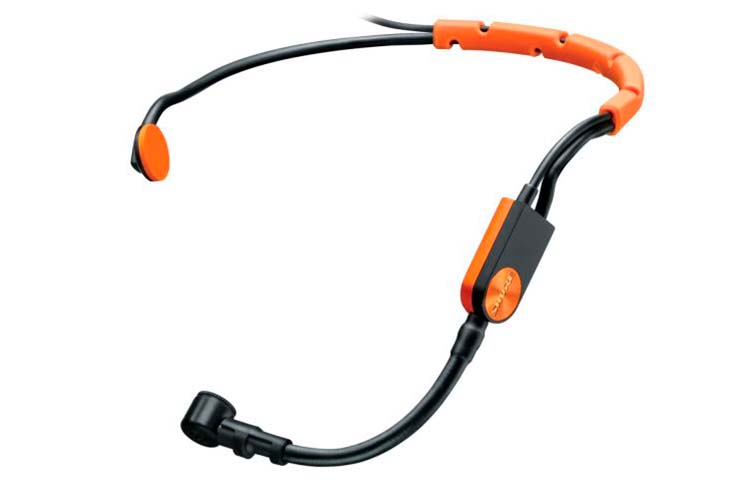
The worlds of music and sound engineering have evolved exponentially in recent years. Gone are the days when singers and performers were always tied to one spot by their microphone cables. Freedom of movement is vital today, and wireless headset microphone systems have become essential.
From performers to presenters, finding the perfect headset mic can feel overwhelming. This guide from Shure simplifies the search so your voice resonates with the audience just the way you want it to.
The Freedom of Wireless
A wireless setup gives singers, speakers and fitness instructors an unmatched range of movement and expression. That means they can connect with the audience on another level and deliver a dynamic performance.
When considering a wireless headset mic, you should prioritize consistent sound quality; the last thing a singer wants is for the mic to cut out during a climactic note and pull the audience out of the magic. But other factors matter too, such as where the headset mic will be used and how comfortable it is.
Quality: A Non-Negotiable
When shopping for the right headset mic, price can be tempting as the deciding factor. But remember: your mic is an investment in your art. By prioritizing quality, you ensure your voice is captured and delivered in its most authentic and accurate form.
More expensive mics typically offer more versatility and durability, and include more accessories (such as foam pop filters or interchangeable heads to alter the sound characteristics). User serviceability and greater reliability are also more common in higher-priced models.
Comfort Is Key
On stage, there’s no room for discomfort. Your wireless headset mic for singing should feel like part of you: lightweight, flexible and secure. It’s not just about sound; if you spend more time adjusting it than singing, there’s a problem.
While the quick adaptability of a single-ear mic may appeal to some, the stability and snug fit of a dual-ear headset mic have their advocates, too. Your choice should take into account not only fit, but also the nature of your performance.
Decoding Directionality
A microphone’s directionality defines how it picks up sound and is crucial in determining the clarity and quality of the output.
Unidirectional mics: These are designed to pick up sound from one specific direction, usually the front. Singers on noisy stages benefit from a unidirectional headset mic because it emphasizes their voice while minimizing background noise.
Cardioid pattern: A subset of unidirectional mics, these have a heart-shaped pickup area. They’re excellent at capturing sound from the front and sides while reducing interference from noise at the rear.
Omnidirectional mics: These capture sound from all directions. While they provide a fuller, more natural sound, they can also pick up unwanted background noise.
When choosing, consider the environment you’ll be performing in. A noisy setting may benefit more from unidirectional mics, while intimate, controlled environments may lean toward omnidirectional options.
Versatility Matters
It’s not always just about the music. Sometimes vocalists need to talk to the audience, alternating between singing and speaking. A quality mic should handle both tasks effortlessly, ensuring clarity and warmth in the voice whether you’re hitting high notes or speaking. It’s also essential to make sure your headset mic is reliable and can withstand the conditions in which you’ll need to use it.
Built for the Stage
The stage presents unique challenges: loud instruments, performer movement and unexpected feedback. That’s why a wireless headset mic designed to overcome these obstacles is vital.
For performers who frequently engage with live audiences, wireless headset mics are not just an option but a necessity. They’re designed to prioritize the singer’s voice, ensuring it’s always the focal point, no matter what’s going on in the background. These mics will keep the audience focused on the performers on stage.
Proper Headset Mic Placement
The nuances of mic placement can make or break a performance. Every detail is crucial, from making sure the mic is shielded from direct airflow to considering facial anatomy and movement.
Before the spotlight turns to the performer, it’s crucial to adjust the mic meticulously. Placing it too far forward can cause a windy or popping sound. If it’s positioned too far back, clarity and low-frequency response will suffer. Proximity to the face matters, too. Once it’s adjusted, a quick head-movement test can gauge its stability during the performance. External factors such as jewelry and facial hair can also affect sound clarity, so being proactive is key.
In the competitive world of audio gear, Shure consistently delivers exceptional reliability, especially in headset mics. Whether you’re performing, presenting or leading a fitness class, Shure guarantees top-tier quality tailored to your needs and budget.
Here’s a closer look at some of the best Shure headset mics to guide your investment:
Shure PGA31
Designed as an entry-level cardioid condenser headset mic, the PGA31 delivers clear audio suited to vocal performances. Ideal for beginners, it stands out as an affordable yet high-quality option in the world of professional audio.
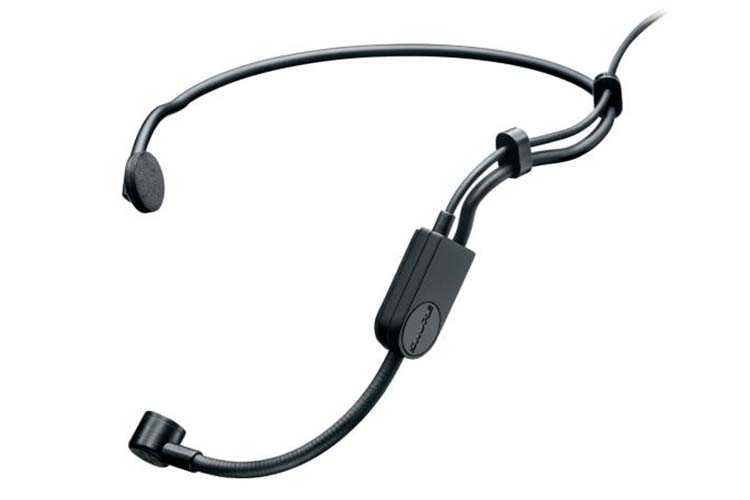
Shure SM35
The SM35 is known for its signature tight cardioid pattern, which ensures crisp vocal clarity even in environments with a lot of ambient noise. Designed for versatile performers who move and sing, it delivers smooth, hands-free audio performance.
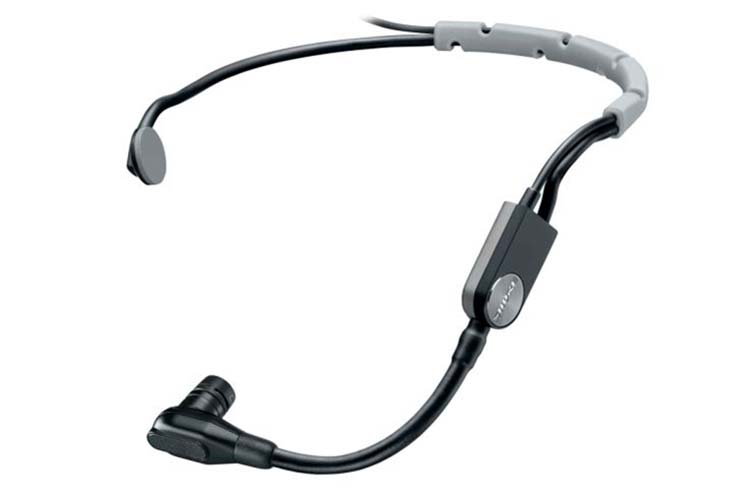
Shure SM31FH
Aimed at the fitness world, the SM31FH is a moisture-resistant cardioid condenser headset mic built to withstand the intensity of aerobics routines or gym sessions. Fitness professionals looking for durability combined with clear sound will find the SM31FH an unbeatable choice among sweat-resistant headset mics.
Shure MX153
The MX153, a subminiature lavalier mic with an omnidirectional pickup pattern, is designed for discretion without compromising sound quality. It elevates spoken-word applications and is the ideal companion for corporate presentations and houses of worship.
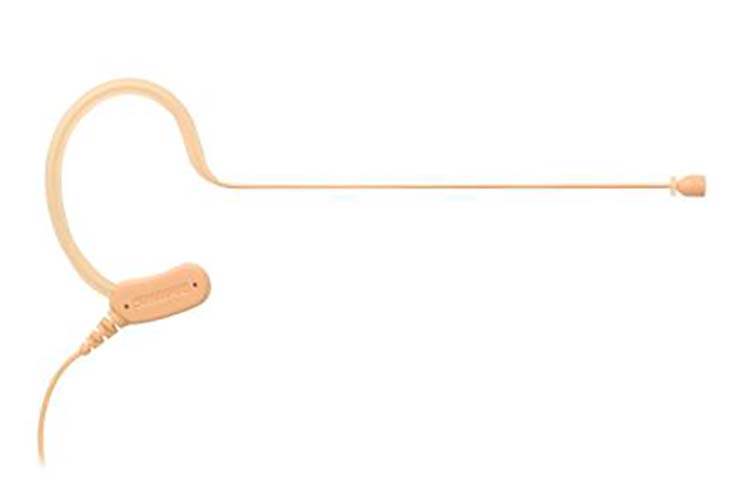
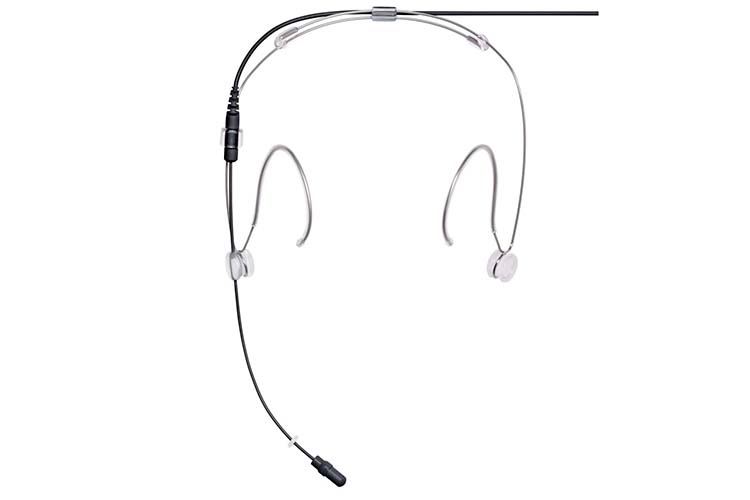
Shure DuraPlex DH5 Headset
To meet the demands of rigorous environments, the DuraPlex DH5 wireless headset mic boasts an IP57 rating for dust and water protection. Its omnidirectional design ensures consistent sound capture, and its durable Plex cable makes it popular among broadcasters and those working in houses of worship and theater. The DH5 is available in four colors and two connector types.
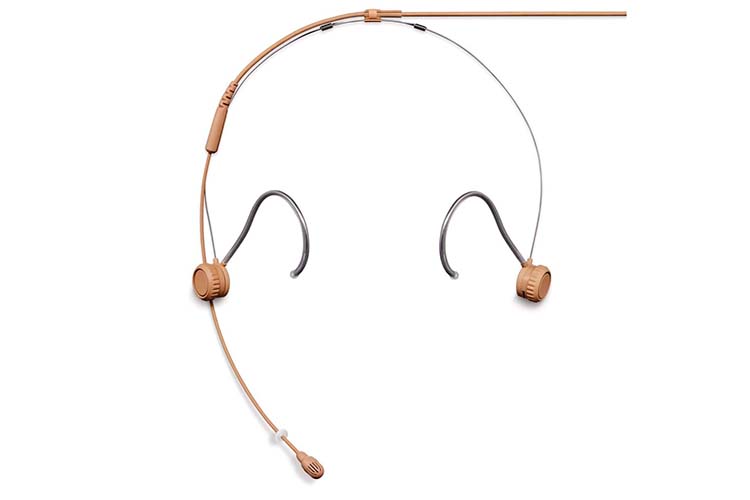
Shure TwinPlex TH53
As part of Shure’s premium headset mic range, the TwinPlex TH53 promises exceptional comfort with its lightweight design. Theater actors and broadcast presenters can count on the durable Plex cable and its omnidirectional setup for precise line delivery, ensuring they stay front and center in every performance. The TH53 is available in three colors and four connector types.
When choosing a Shure headset mic, it’s about matching the mic’s capabilities to your specific needs. With Shure’s range, you’re sure to find a mic that resonates with your requirements, so your voice is always heard with maximum clarity.