The latest Engine DJ update adds two new music streaming services to Engine OS products, giving DJs access to millions of tracks without the need for physical media or a computer.
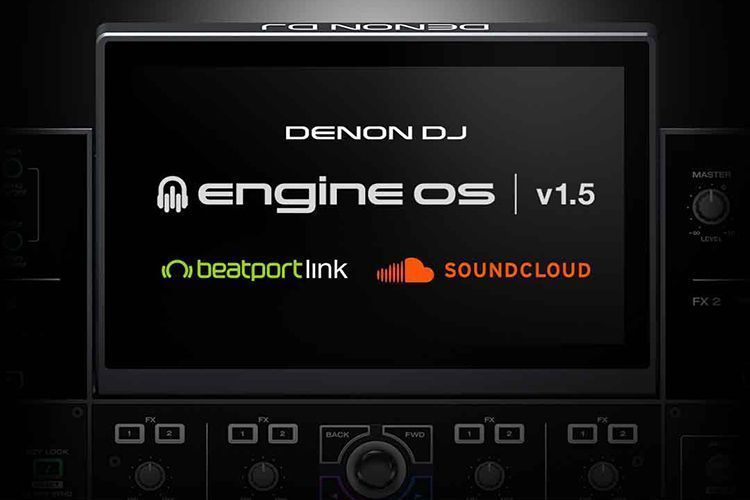
Engine DJ has announced the availability of Engine OS v1.5. In addition to TIDAL, DJs can now access the SoundCloud Go+ and Beatport LINK streaming services from the hardware. Engine OS v1.5 also adds a new, more accurate BPM detection algorithm, a new Quick Source Menu for faster source switching, new microphone capabilities on the smart consoles, and a good number of usability and stability improvements.
Engine OS v1.5 has been available since August 4 as a recommended free update.
The main improvements in Engine OS v1.5 are as follows:
SoundCloud Go+ Streaming Service
SoundCloud, known as the largest and most diverse platform in the world of digital music, brings a unique, personalized experience to standalone Engine OS devices with no computer needed. Once activated, DJs can access their full SoundCloud library, including their own tracks, playlists they have created or follow, albums, liked tracks, listening history, followed artists and SoundCloud's own playlists.
SoundCloud Go+ includes playback options in both normal quality (128kb/s MP3) and high quality (256kb/s AAC). As with all streaming services, BPM, Key, Hot Cue and Loop data are saved on the DJ's device and automatically recalled the next time the track is loaded.
Beatport Link Streaming Service
Widely known as the go-to source for electronic music, Beatport LINK gives DJs access to more than nine million high-quality tracks directly from the hardware, with no computer needed. Once signed in, users can browse the Top 100 playlists, the latest tracks by genre, user playlists and Beatport's curated playlists.
Beatport LINK provides Engine OS with BPM and Key information directly, which means users can see vital track information in the list while browsing without having to load and analyze tracks first. Beatport LINK includes optimized (128kb/s MP3) and advanced (256kb/s AAC) playback options. As with all streaming services, BPM, Key, Hot Cue and Loop data are saved on the DJ's device and automatically recalled the next time the track is loaded.
Note: support for Beatport Offline Locker and the Beatsource LINK service will come in future updates.
New BPM Detection Algorithm
Built from the ground up, Engine OS 1.5 features a new BPM detection algorithm. The new analysis process is much faster and produces far more accurate results. When analyzing music on Engine OS devices, users will see that both the BPM and the grid position are much more accurate than in previous versions. Engine OS devices remain the only DJ gear on the market offering built-in file analysis.
Note: tracks need to be analyzed for the first time on a device running Engine OS v1.5, or re-analyzed in Engine PRIME v1.5, to use the new BPM and downbeat algorithm.
Quick Source Menu
Switching between different music sources has never been easier, thanks to the new Quick Source Menu. Users can activate any streaming service they subscribe to (TIDAL, SoundCloud Go+, Beatport LINK), connect multiple devices and easily mix between all sources in the same session. The Quick Source Menu can be accessed from both the horizontal waveform view and the library on all Engine OS devices.
In addition, version v1.5 brings the following improvements:
- Ability to control the microphone noise gate threshold (PRIME 4)
- Ability to record the microphones (PRIME 4, PRIME 2, PRIME GO)
- Ability to disable the crossfader (PRIME GO)
- Split function added, plus the ability to swap the Split Cue channels (PRIME GO)
"DJs have never had access to this much quantity and diversity of music on a piece of DJ gear," says Jason Stout, Product Marketing Manager at Engine DJ. He adds, "A DJ can literally show up at an event, plug in and play virtually any song on the planet without any physical media or computer. It's incredible to see how far we've come since the days when we had to haul our crates of vinyl and CD cases. We're excited to be leading the industry into the next chapter in the history of music playback."