
Now it's the turn of my favorite of today's two guests: the GSP1101 rack processor, a new paradigm in modeling preamps. At first glance, the rack unit surprised me by minimizing the number of control elements. The structure is entirely metal (except for the knobs) and very rigidly built, which suggests to me that it will hold up to prolonged use, gig after gig. The design is fairly compact and slim, so it fits into any rig.
Versatile Connections
On the rear panel, we see a phone-jack output compatible with Digitech setups, a mixer input and output (with an impedance-control switch, depending on where we connect), a USB port for recording and editing with the editing software, footswitch and expression pedal inputs (not included), a MIDI interface, stereo XLR outputs, stereo 1/4" outputs with an amp/mixer switch to set the output impedance depending on where we connect, a stereo effects loop with a -10 dBV/+4 dBu switch, and an RJ45 port, whose use is reserved for the future, as Digitech is apparently researching it for use as a data bus.
I consider the input/output interface complete and versatile enough to allow whichever connection suits us best, giving the sound engineer greater freedom in this respect.
It's worth noting that the power supply is built in and that a cable (not included) is needed to connect it directly to the mains.

On the front panel, we have the instrument input, the headphone output and a fairly large display showing presets, effects, amps and cabinets. Next, a knob for choosing tones and effects, three-band EQ controls and gain for the chosen amp, preset volume, and one last global output control. And finally, three buttons that activate the tuner, the bypass signal, or show the storage parameters.
The A/D - D/A converter is 24-bit, with a 44.1 kHz sample rate, and it features a DSP driven by two AudioDNA2 chips and storage for 198 presets (99 user and 99 factory, some of which are based on the typical rigs of renowned guitarists such as Eric Johnson, Dimebag Darrell, Angus Young...).

Lastly, the software included with the package is compatible with both PC and Mac, and the minimum requirements for the two systems are, respectively, Windows Vista/XP with an 800 MHz processor (1.2 GHz recommended); Mac OS 10.4.x or 10.5, PowerPC G4 or G5 or Intel processor, at 800 MHz (1.2 GHz recommended). The RAM required on both is 512 MB, with 1 GB recommended.
MODELING FEATURES AND PERFORMANCE
This discreet preamp/processor offers a total of 120 amp/effect/cabinet models, divided into 40 tone libraries and 40 effects libraries, for a total of... 1,600 combinations!
It supports up to eight expression links per preset, which can be used to control parameters in real time. With those links, we can assign parameters to be controlled via CC, MIDI, internal LFOs, or an expression pedal.
As for the LFOs (low-frequency oscillators), we get two per preset for controlling parameters. The LFO will control those parameters automatically between the minimum and maximum range defined by the expression link, according to the chosen waveform and speed (frequency ranges from 0.05 to 10.0 Hz, with three possible waveforms).
And of course, a built-in chromatic tuner.

Sound
I switch on the device, and the first factory preset comes up automatically, based on a Plexi amp. I generally found the models realistic and very convincing, although the emulation that convinced me least was the acoustic one, as I mentioned.
As with the RP-90, I initially went by intuition to test how easy it is to use. I have to say this preamp is one of the simplest to control I've tried, and it pleasantly surprised me. With the main knob we can pick the preset, but what about editing? Just press this knob and we get into the menu. As simple as knowing how to read, we choose the amps, the cabinets and the effects. And one thing worth noting about the latter: we can choose the order in which we connect the effects. But that's not all, because we can ask the system's wizard to arrange the models into the optimal configuration. Nothing to worry about. On top of that, the display is very complete and shows the current modeling setup at all times.
I pictured guitarists, from the most classic to the most contemporary; nothing gets past the GSP1101. Since it's not just a processor but also a preamp, I connected it, besides the computer, to a Rocktron Velocity 100 power amp, and from there to the cabinet. The truth is it didn't let me down at all, and I'd put my trust in this little monster when playing live. At high volumes, you barely perceive any noise.
It's worth noting that the amount of rock and metal sounds you can dial in is enormous; and I'd say that, without belittling the well-done clean amps and effects, the point of this preamp is precisely that: saturation.
Amp Simulators
There are 35 amp models available, ranging from vintage to the most modern, including acoustic modeling (the latter perhaps being the one that convinced me least):
- 57 CHAMP based on a 57 Fender® Tweed Champ.
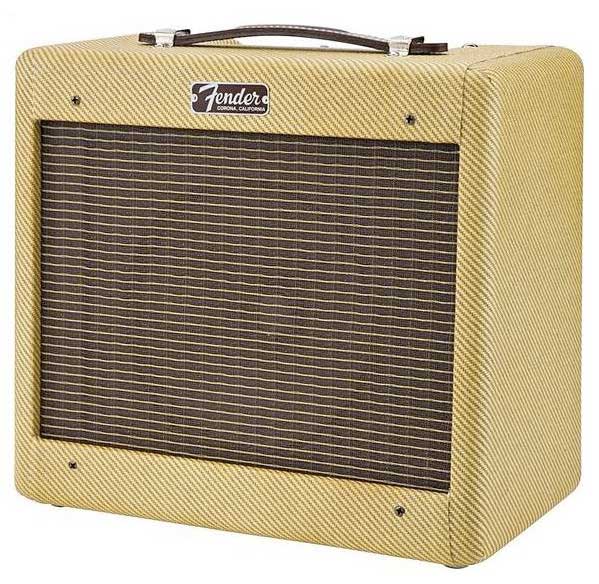
- 57 DELUXE based on a 57 Fender Tweed Deluxe.
- 59 BASSMAN based on a 59 Fender Tweed Bassman.
- 62 BROWN BASSMAN based on a 62 Fender Brownface Bassman.
- 65 DELUXE REVERB based on a 65 Fender Blackface Deluxe Reverb.
- 65 REVERB based on a 65 Fender Blackface Twin Reverb.
- 65 JTM-45 based on a 65 Marshall JTM-45.
- 68 SUPER LEAD PLEXI based on a 68 Marshall 100 Watt Super Lead (plexi).
- 68 JUMP PANEL based on a 68 Marshall Jump Panel.
- 77 MASTER VOLUME based on a 77 Marshall Master Volume.
- 83 JCM800 based on a 83 Marshall JCM800.
- 93 JCM900 based on a 93 Marshall JCM900.
- 01 JCM2000 based on a 01 Marshall JCM2000 (Solo Channel).
- 62 AC15 based on a 62 Vox AC15.
- 63 AC30 TOP BOOST based on a 63 Vox AC30 Top Boost.
- 69 HIGH WATTAGE based on a 69 Hiwatt Custom 100 DR103.
- 81 MARK IIC based on a 81 Mesa Boogie Mark II C.
- 01 DUAL RECTIFIED based on a 01 Mesa Boogie Dual Rectifier.
- 99 LEGACY VL-100 based on a Carvin Legacy VL-100.
- 96 MATCH HC-30 based on a 96 MatchlessTM HC30.
- 88 SLO-100 based on a 88 Soldano SLO-100.
- DIGITECH SOLO DigiTech Solo.
- DIGITECH METAL DigiTech Metal.
- DIGITECH BRIGHT CLEAN DigiTech Bright Clean.
- DIGITECH CHUNK DigiTech Chunk.
- DIGITECH CLEAN TUBE DigiTech 2101 Clean Tube.
- DIGITECH CRUNCH DigiTech Crunch.
- DIGITECH BLUES DigiTech Blues.
- DIGITECH FUZZ DigiTech Fuzz.
- DIGITECH SPANK DigiTech Spank.
- DIGITECH HIGH GAIN DigiTech High Gain.
- 2101 CLEAN TUBE DigiTech GSP2101TM Artist Clean Tube.
- 2101 SATURATED TUBE DigiTech GSP2101 Artist Saturated Tube.
- DREAD ACOUSTIC Dreadnought acoustic.
- JUMBO ACOUSTIC Jumbo acoustic.
- BYPASS: The signal passes through untouched.
Not bad, right? Hiwatt, Marshall, Soldano, Mesa Boogie..., even a Carvin Legacy, which makes Digitech's intention to emulate Steve Vai's sound pretty clear. Let's look at the cabinets:
Cabinet Simulators
- CHAMP 1X8 based on a 1x8 57 Fender Tweed Champ.
- DELUXE 1X12 based on a 1x12 57 Fender Tweed Deluxe.
- DELUXE REVERB 1X12 based on a 1x12 65 Fender Blackface Deluxe Reverb.
- BRITISH 1X12 based on a 1x12 62 Vox AC15 w/20W Vox Speaker.
- BLONDE 2X12 based on a 2x12 57 Fender Blonde Bassman.
- TWIN 2X12 based on a 2x12 65 Fender Blackface Twin Reverb.
- BRITISH 2X12 based on a 2x12 63 Vox AC30 Top Boost w/ Jensen Blue Backs.
- BASSMAN 4X10 based on a 4x10 59 Fender Tweed Bassman.
- BRITISH 4X12 based on a 4x12 Marshall® 1969 Straight w/ Celestion G12-T70.
- GREENBACK 4X12 based on a 4x12 Marshall 1969 Slant w/ Celestion 25W Green backs.
- FANE 4X12 based on a 4x12 Hiwatt Custom w/ Fane Speakers.
- BOUTIQUE 4X12 based on a 4x12 96 VHT Slant w/ Celestion Vintage 30’s.
- VINTAGE 4X12 based on a 4x12 Johnson Straight w/ Celestion Vintage 30’s.
- DIGITECH SOLO 4X12 4x12 DigiTech Solo.
- DIGITECH BRIGHT 2X12 2x12 DigiTech Bright.
- DIGITECH METAL 4X12 4x12 DigiTech Metal.
- DIGITECH ROCK 4X12 4x12 DigiTech Rock.
- DIGITECH ALT 4X12 4x12 DigiTech Alt Rock.
- DIGITECH VINTAGE 4X12 4x12 DigiTech Vintage.
- DIGITECH CHUNK 4X12 4x12 DigiTech Chunk.
- DIGITECH SPANK 4X12 4x12 DigiTech Spank.
- DIGITECH SPEAKER COMP 4x12 DigiTech Speaker Compensation.
- BYPASS: no cabinet model is selected.
As you can see, nothing is missing. We can emulate the sound of practically any amplifier.
The Effects
Chorus
- Boss CE-2 Chorus.
- DigiTech Dual Chorus.
- DigiTech Multi-Chorus.
- TC Electronics Chorus.
Flangers
- MXR Flanger.
- DigiTech Triggered Flanger.
- Electro Harmonix Electric Mistress.
Phasers
- MXR Phase 100.
- DigiTech Phaser.
- Electro Harmonix Small Stone.
Modulation
- DigiTech Whammy.
- DigiTech Pitch Shift.
- DigiTech Detune.
- DigiTech IPS.
- Boss OC-2 Octaver.
Vibrato/rotary effect models based on:
- DigiTech Vibrato.
- DigiTech Rotary.
- DigiTech Vibro / Pan.
- Unicord UniVibe™.
Tremolos based on:
- DigiTech Tremolo.
- DigiTech Panner.
- Fender Opto Tremolo™.
- Vox Bias Tremolo.
Envelope effects, delays and reverbs based on:
- DOD FX25 Envelope Filter.
- DigiTech Auto Ya.
- DigiTech YaYa.
- DigiTech Synth Talk.
- DigiTech Step Filter.
- Digital Delay.
- Analog Delay.
- Pong Delay.
- Modulated Delay.
- Tape Delay.
- 4 Lexicon Reverbs.
- Fender Twin Reverb.
- EMT 240 Plate Reverb.
Compressor/Sustainer Models based on:
- Boss CS-2 Compressor/Sustainer.
- DigiTech Main Squeeze Compressor.
- MXR Dynacomp.
Wah/Volume Pedal Models based on:
- Dunlop Cry Baby Wah.
- DigiTech Full Range Wah.
- Vox Clyde McCoy Wah Volume Pedal.
Distortions and Overdrives:
- SCREAMER based on an Ibanez TS-9.
- 808 based on an Ibanez TS-808 Tube Screamer.
- SPARKDRIVE based on a Voodoo Lab Sparkle Drive.
- OD OVERDRIVE based on a Guyatone Overdrive OD-2.
- DOD 250 based on a DOD 250 Overdrive/Preamp.
- RODENT based on a Pro Co RAT.
- MX DISTORTION based on an MXR Distortion +.
- DS based on a Boss DS-1TM Distortion.
- GRUNGE DigiTech Grunge.
- ZONE based on a Boss MT-2 Metal Zone.
- DEATH METAL DigiTech Death Metal.
- GONKULATOR based on a DOD Gonkulator Ring Modulator.
- 8TAVIA based on a Roger Mayer OctaviaT.
- FUZZLATOR based on a Demeter Fuzzulator.
- CLASSIC FUZZ based on a DOD Classic Fuzz.
- FUZZY FACE based on an Arbiter Fuzz FaceTM.
- BIG PI based on an Electro-Harmonix Big Muff.
Overall, I thought it was a more than fitting selection: MXR, Boss, Lexicon, Electro-Harmonix... And there are plenty of effect types and models, including even a classical guitar emulator with nylon strings.
Conclusion
It seems that, after these two exams, Digitech has taken the heavy-music scene seriously, without abandoning its usual features; improved, though.
Extreme ease of use, excellent sound, incredibly realistic modulation, good price, design, American construction and quality standards that once again keep Digitech at the top of modeling processors, alongside Line 6. I'd place it in the semi-pro to professional bracket, I consider it suitable for both studio and live use and, certainly, for anyone who needs a large number of features and isn't keen on going crazy with a ton of buttons, this is your processor.


